The information on this website is general in nature and does not take into account your objectives, financial situation, or needs. Consider seeking personal advice from a licensed adviser before acting on any information.
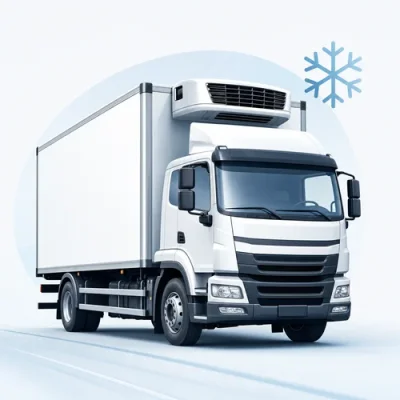
Refrigerated truck insurance is a specialized insurance coverage tailored for vehicles equipped with refrigeration units. These trucks are crucial for transporting perishable goods, such as food and pharmaceuticals, that need to be kept at specific temperatures during transit. The insurance covers not only the truck itself but also the refrigeration equipment and the contents being transported. This coverage is essential for protecting both business assets and the goods that can be significantly impacted by temperature changes during transport.
Introduction to Refrigerated Truck Insurance
For Australian truck and fleet owners, refrigerated truck insurance is of paramount importance. The unpredictable climate and vast distances within Australia mean that transporting temperature-sensitive goods carries inherent risks. Having the right insurance in place ensures that, in case of any unforeseen circumstances, businesses can avoid financial losses that could arise from damaged goods or equipment.
In this article, we'll explore the different aspects of refrigerated truck insurance, from its key benefits to the coverage options available. Whether you're a single truck owner or manage an extensive fleet, understanding the need for comprehensive insurance can be a vital component to running a successful and secure transport operation.
Understanding the Essentials of Refrigerated Truck Insurance
What Does Refrigerated Truck Insurance Cover?
Refrigerated truck insurance offers a comprehensive coverage tailored to the unique needs of vehicles transporting perishable goods. This insurance typically includes protection for the truck and its refrigeration equipment against damages or malfunctions. Additionally, it covers the goods being transported, ensuring that they are protected against spoilage due to temperature variations or equipment failure. Some policies may also provide coverage for liabilities arising from the transport operation itself.
Key Benefits for Businesses and Fleet Operators
For businesses and fleet operators, refrigerated truck insurance serves as a protective shield against potential financial losses. One of the primary benefits is the peace of mind it provides, knowing that both the vehicle and its cargo are safeguarded against unexpected damages. This insurance helps businesses maintain their reputation by ensuring that deliveries are made safely and on time, even in the face of unforeseen events.
Moreover, having adequate coverage can enhance customer trust, as clients rely on businesses that demonstrate due diligence in protecting their goods. It also supports business continuity by minimizing downtime and financial strain in the event of damages or losses.
Common Scenarios Where Insurance is Critical
There are several situations where refrigerated truck insurance becomes invaluable. For instance, a sudden mechanical failure in the refrigeration unit could lead to significant spoilage of perishable goods. In such cases, insurance can cover the losses incurred due to spoiled inventory. Weather-related accidents, which can be frequent in Australia, or unforeseen traffic incidents may also require the intervention of an insurance policy to recover associated costs.
Overall, having robust refrigerated truck insurance ensures that businesses can manage risks effectively and continue their operations smoothly, regardless of the challenges faced during transport.
Calculating the Right Insurance Coverage
Factors to Consider When Estimating Your Sum Insured
Determining the appropriate insurance coverage for your refrigerated truck requires careful consideration of several factors. Begin by assessing the total value of both your vehicle and the refrigeration equipment. This will ensure that the sum insured adequately reflects the potential cost of replacement or repair in case of an accident or failure.
Additionally, take into account the type and value of the goods you typically transport. Perishable goods, like food and pharmaceuticals, can have a high value, and their spoilage could result in significant financial loss. Therefore, it's essential to ensure your insurance fully covers the maximum value of your usual cargo.
How to Use Insurance Calculators Effectively
Insurance calculators are valuable tools that can help you determine the right amount of coverage for your specific needs. Start by entering detailed information about your truck, refrigeration units, and the nature of your cargo. These calculators often provide tailored estimates, offering a clear picture of what your insurance policy should cover.
It's important to input accurate and current data to achieve the most reliable results. If you are uncertain, consulting with an insurance specialist can also provide additional insights and recommendations based on your unique circumstances.
Adjusting Coverage Based on Equipment and Cargo Value
Insurance needs can change over time, especially as you upgrade equipment or diversify the cargo you handle. Regularly reviewing and adjusting your coverage can help ensure that your policy remains aligned with your operational realities. If the value of your typical cargo increases or you enhance your truck's refrigeration capabilities, it's prudent to update your coverage accordingly.
Maintaining communication with your insurance provider is key. They can assist in making necessary adjustments to your policy, ensuring continuous protection without any gaps in coverage. Ultimately, a flexible insurance approach allows your business to adapt and thrive amid changing operational demands.
Choosing the Right Insurance Provider
Importance of Working with Knowledgeable Insurance Brokers for Guidance
Selecting the correct insurance provider for your refrigerated truck business is a critical decision. It’s beneficial to collaborate with knowledgeable insurance brokers who understand the complexities of refrigerated truck operations. These professionals can offer tailored advice that aligns with your specific needs and circumstances, helping you to secure the most appropriate coverage.
An experienced broker can guide you through the intricacies of different policies, highlight the essential coverage components, and assist in navigating through the terms and conditions that could impact your business. Engaging with a broker ensures that you make an informed choice, potentially saving time and avoiding costly mistakes.
Questions to Ask Potential Insurers
When evaluating potential insurers, it's important to ask the right questions to ensure their offerings match your needs. Consider inquiring about the specifics of their coverage for refrigerated trucks and whether it includes both vehicle and cargo protection. Additionally, ask if there are any exclusions or conditions that apply to temperature control failures or operational liabilities.
It's useful to understand the claims process and how responsive the insurer is in handling claims. Questions about premium calculations, potential discounts for multi-truck coverage, and options for flexible policy adjustments are also essential to discuss as these factors significantly influence your final decision.
Evaluating Customer Reviews and Reputation
Researching customer reviews and the reputation of the insurance provider can provide valuable insights into their reliability and service quality. Look for feedback from other businesses in the transportation sector to assess whether the provider is known for prompt claim settlements and effective customer service.
Pay attention to any recurring issues mentioned in reviews and consider how they might impact your operations. A reputable insurer with positive reviews is more likely to provide the support and assurance your business needs, ensuring peace of mind that your insurance coverage is in trustworthy hands.
Cost Factors and Saving Tips
Main Cost Drivers of Refrigerated Truck Insurance Policies
The cost of refrigerated truck insurance is influenced by several primary factors. One significant determinant is the value of the truck and its refrigeration equipment. Higher-value vehicles typically attract higher premiums due to their increased replacement or repair costs.
Another key factor is the nature and value of the cargo transported. Insurance for trucks carrying high-value or particularly sensitive goods, like pharmaceuticals or gourmet foods, will often cost more due to the heightened risk of loss or spoilage.
The driving history of the operator also impacts insurance costs. A clean record can lead to lower premiums, while any past claims or violations might increase rates. Additionally, the distances covered and routes taken can affect costs; frequent long-haul trips often attract higher premiums due to the increased risk exposure.
Tips to Lower Premiums and Increase Savings
To make refrigerated truck insurance more affordable, consider implementing several strategies. First, maintain an excellent driving record by ensuring all operators undergo regular training and adhere to safety protocols. Safe driving can result in discounts from many insurers.
Investing in risk management tools and technology, such as GPS tracking and advanced refrigeration monitoring systems, can also reduce premiums. These tools help prevent losses and demonstrate to insurers that you are proactively managing risks.
Another approach is to inquire about loyalty discounts or multi-policy deals if you hold other insurance with the same provider. Engaging with your insurer to understand available discounts can also offer savings without compromising on coverage quality.
Bundling Options for Additional Discounts
Bundling insurance policies is an effective way to lower costs and simplify your insurance management. Many providers offer discounted rates if you bundle refrigerated truck insurance with other policies, such as general liability, workers' compensation, or property insurance.
Bundling can lead to substantial savings while ensuring comprehensive coverage across different aspects of your business. It's worth consulting with your insurance broker or provider to explore potential bundling packages and the associated discounts they offer.
Ultimately, taking a strategic approach to insurance not only helps in saving money but also enhances coverage, ensuring that your business's unique needs are fully met.
Staying Up-to-Date with Insurance Trends
The Evolving Landscape of Refrigerated Truck Insurance
As the transportation and logistics industry evolves, so too does the world of refrigerated truck insurance. Technological advancements, regulatory changes, and shifting market dynamics continually reshape the coverage needs and options available to truck owners. Staying abreast of these changes is critical for maintaining appropriate and effective insurance coverage.
Insurance policies now often reflect concerns such as advanced telematics, increased data protection requirements, and environmental sustainability initiatives. Insurers might offer new policy terms catering specifically to electric refrigerated vehicles as they become more common on Australian roads.
Resources for Current News and Updates in the Industry
To stay informed about the latest developments in refrigerated truck insurance, leveraging various information resources is key. Industry publications, online news portals, and trade associations dedicated to transport and logistics often provide updates on insurance trends and emerging risks.
Subscribing to newsletters from insurance companies and brokers can also offer insights into how industry shifts might affect your coverage. Additionally, attending industry conferences and webinars can help you both learn about new trends and connect with professionals who can provide guidance tailored to your business.
How Listening to Industry Podcasts Can Be Beneficial
Podcasts focused on transportation, insurance, and logistics industries serve as convenient platforms for gaining insights into current trends and challenges. Many feature interviews with industry leaders who discuss emerging topics, innovations, and best practices.
By listening to such podcasts, refrigerated truck business owners and operators can gain valuable perspectives and tips on managing their operations and insurance needs more effectively. They also provide an opportunity to learn from others’ experiences, which can be instrumental in making informed decisions tailored to your unique circumstances.
Conclusion
Recap of the Importance of Having Adequate Insurance
Having the right refrigerated truck insurance is crucial for safeguarding your business operations and assets. It provides essential protection against the varied risks associated with transporting perishable goods, from equipment failures to spoilage and accidents. Ensuring comprehensive coverage helps maintain business continuity and protects your bottom line from unforeseen circumstances.
Encouragement to Review and Adjust Policies Regularly
As your business evolves, so do your insurance needs. It's important to routinely review and adjust your policies to reflect any changes in your operations, such as new routes, types of cargo, or equipment upgrades. Regular policy assessments can help ensure that your coverage remains adequate and effective, minimizing potential gaps that could lead to financial losses.
Call to Action for Getting a Truck Insurance Quote or Comparing Options Here
If you’re a refrigerated truck owner or operator, now is the perfect time to evaluate your insurance coverage. We encourage you to get a truck insurance quote or compare options to ensure you’re getting the best protection tailored to your needs. Contact knowledgeable brokers, use online tools, or consult with insurance providers to explore the most effective solutions for your business.
Published: Monday, 29th Jun 2026
Author: Paige Estritori



No comments yet. Be the first to share your thoughts.